
WhoTeens and adults
TimeUsually a year or more
AfterRetainer at night
In short
Orthodontics moves teeth slowly into a better position, using fixed braces or a numbered series of clear removable aligners. You need it when crowding, gaps or a bite problem makes teeth hard to clean, wears them down or bothers you.
Does this sound like you?
- Teeth overlap or twist so floss will not get between them.
- Your front teeth stick out, or your top and bottom teeth do not meet when you bite.
- Gaps between teeth trap food, or a tooth is drifting into the space where one was lost.
- Your teen's adult teeth have come in crowded or crooked.
- You had braces years ago, stopped wearing the retainer, and teeth have shifted.
Braces or clear aligners: side by side
Dr. Malik fits and adjusts both at 5105 Hurontario, Unit 6; the right one depends on your teeth and your habits.
Traditional braces
- How they look
- Small metal or ceramic brackets and a wire, visible when you talk
- Who they suit
- Bigger movements, bite corrections, teens who may forget trays
- Wear discipline
- Fixed to your teeth; nothing to remember
- Eating
- Skip hard, sticky and chewy foods; cut apples and corn off the cob
- Cleaning
- Slower brushing around brackets; floss threaders or a water flosser help
- Visits
- Adjustments usually every 4 to 8 weeks
- Typical duration
- Often 18 to 24 months; depends on how far teeth must move
- Cost
- Usually less; plans with an orthodontic benefit often cover part
- After treatment
- Retainer, mostly at night, for the long term
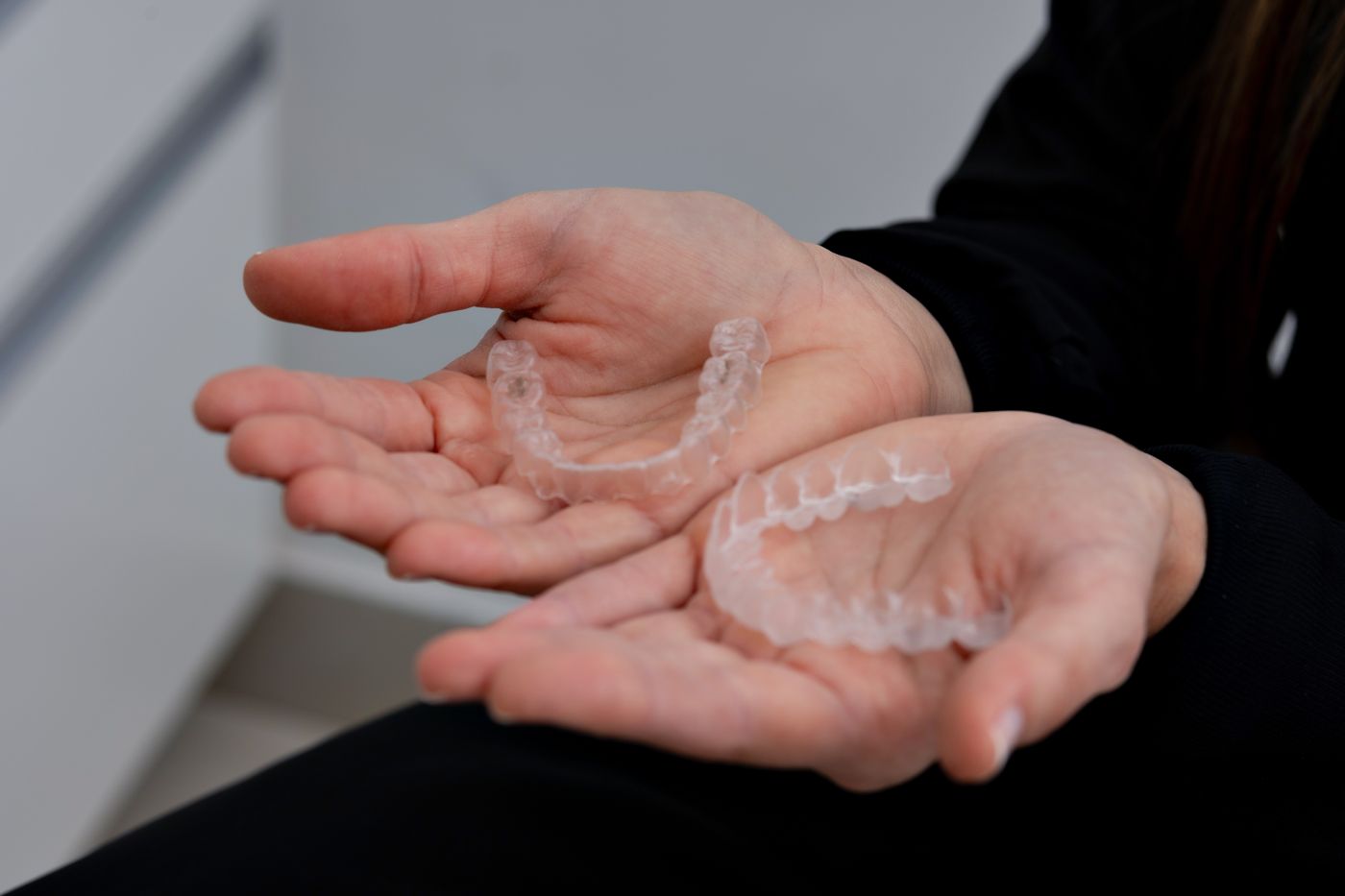
Clear aligners
- How they look
- Thin clear plastic trays, hard to spot from across a table
- Who they suit
- Mild to moderate crowding or gaps, adults who will wear them every day
- Wear discipline
- Need about 22 hours a day; left in a bag, teeth stop moving
- Eating
- Take trays out to eat and drink anything but water; brush before they go back
- Cleaning
- Brush and floss as usual; rinse and brush the trays daily
- Visits
- Check-ins usually every 6 to 10 weeks to collect the next trays
- Typical duration
- Often 6 to 18 months for simpler cases, longer if wear is patchy
- Cost
- Usually somewhat more; the same benefit often applies
- After treatment
- Retainer, mostly at night, for the long term
A typical course, start to finish
Rough months for a straightforward case; Dr. Malik gives you your own range after the scan.
- Month 0: assessment
Exam, X-rays and a scan. You learn which option fits, roughly how long it takes, and see the written estimate before deciding.
- Month 1: fitting
Braces are bonded in one visit, or you leave with your first set of trays. Teeth usually feel tender for a few days; soft food helps.
- Months 2 to 6: early movement
Visits every several weeks for wire changes or new trays. Crowding and gaps often start to look different by now.
- Months 6 to 18: fine-tuning
Dr. Malik lines up the bite, not only the front teeth. This stretch varies most from person to person.
- Final month: braces off or last tray
Brackets come off and teeth are polished, or you finish the last tray. Impressions or a scan are taken for your retainers.
- Afterwards: retainers
Worn mostly at night, for years. Skipping them is the usual reason teeth drift back. Bring the retainer to your regular check-ups so we can check the fit.
Cost and insurance.
Braces and aligners are priced as one course of treatment, not visit by visit, and the course usually spans a year or more. Many dental plans have a separate orthodontic benefit, often with a lifetime limit, and some cover adults as well as children. We bill your insurance directly. You see the estimate in writing before anything starts, covering the full course and exactly what it includes. No insurance? We tell you the cost up front.
Questions people ask.
Am I too old for braces?
No. Teeth move at any age as long as the gums and bone around them are healthy. Many adults choose aligners because they come out for meals and for a photo or a meeting.
Braces or Invisalign: which is better?
Neither is better; they suit different problems and different people. Aligners work well for mild to moderate crowding and spacing, but only if you wear them about 22 hours a day. Braces handle bigger movements and bite corrections, and they cannot be left in a lunch bag.
How long do braces take?
Usually many months, and often more than a year. Dr. Malik gives you an expected range after the scan; it depends on how far the teeth must move and, with aligners, on how consistently you wear them.
Do braces hurt?
Teeth feel tender for a few days after each adjustment or new tray; over-the-counter pain relief and soft food get you through it. If a wire is poking your cheek, call 647.479.3151 and we fix it.